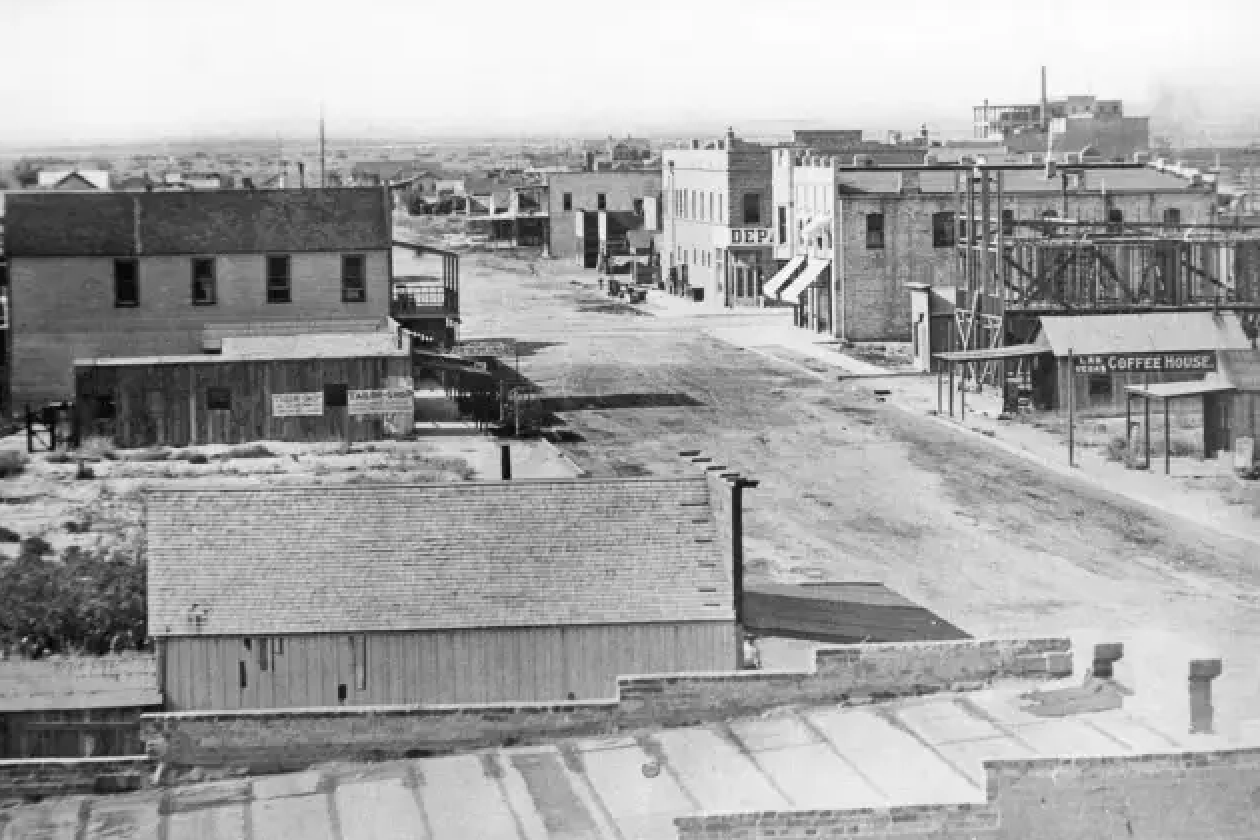
Las Vegas, often dubbed the "Entertainment Capital of the World," is a city that has transformed dramatically over the decades. From its origins as a modest desert stop to its rise as a global entertainment powerhouse, the history of Las Vegas is a fascinating tale of growth, ambition, and change.
Early History
Before it became a bustling city, the area where Las Vegas now stands was inhabited by Native American tribes, primarily the Southern Paiutes. The name "Las Vegas" translates to "The Meadows" in Spanish, which reflects the lush springs that once provided water in this arid region. The first European explorers to the area were a group led by Spanish scout Rafael Rivera in 1829, who recognized the site's potential as a watering stop for travelers.
The Arrival of the Railroad
Las Vegas began to take shape as a settlement when the railroad was introduced in the early 20th century. In 1905, Las Vegas was officially incorporated when the Las Vegas Land and Water Company laid out a grid of streets, attracting settlers and investors looking to capitalize on the area's potential. This development coincided with the construction of the Los Angeles and Salt Lake Railroad, which connected Las Vegas to larger markets.
The Birth of the Casino Era
The 1930s marked a pivotal point in Las Vegas's history with the onset of the Great Depression and the establishment of the Hoover Dam. The dam's construction attracted thousands of workers to the area, leading to a population boom and the need for entertainment. The first legal casinos, including the Golden Gate Hotel and Casino, opened in 1906, but it was during the 1930s that gambling truly became a cornerstone of Las Vegas's identity.
Post-War Expansion
The end of World War II ushered in a new era for Las Vegas. The 1940s and 50s saw the rise of iconic casinos such as the Flamingo, opened by mobster Bugsy Siegel in 1946. The Flamingo was among the first luxury hotels and casinos on the Strip, setting the standard for future developments. The influx of organized crime played a significant role in the establishment and growth of casinos during this time.
The 1950s also introduced the phenomenon of the Las Vegas Strip, a stretch of South Las Vegas Boulevard that became famous for its extravagant resorts and entertainment venues. Casinos like the Desert Inn and the Sands added to the glamour of the city.
The Entertainment Boom
The 1960s and 70s marked a period of transformation as Las Vegas evolved beyond gambling into a major entertainment hub. The television broadcast of the "Las Vegas Strip" and the emergence of legendary performers like Elvis Presley and Frank Sinatra attracted broader audiences. The Rat Pack ushered in an era of glamorous nightlife, drawing visitors from around the world.
The Birth of Corporate Las Vegas
By the 1980s and 90s, the landscape of Las Vegas began to shift toward corporate ownership of casinos. Major corporations took over many properties, leading to massive developments like the Mirage (1989) and the Bellagio (1998). These resorts offered innovative experiences, including themed hotels, high-end dining, and extravagant shows.
Modern Las Vegas
Today, Las Vegas continues to thrive, serving as a significant tourist destination known not only for its casinos but also for its conventions, dining, shopping, and entertainment. The city has diversified its appeal, hosting world-class events, concerts, and sporting activities. The arrival of the NHL's Vegas Golden Knights in 2017 and the anticipated NFL's Las Vegas Raiders have added a new dimension to the city's identity.
Las Vegas also stands out as a leader in tourism adaptation, offering attractions such as the High Roller Observation Wheel, the Mob Museum, and the Neon Museum, further enriching its historical landscape while embracing modernity.